Life cycle assessment for buildings and construction
A building's impact is not only what happens once it is built. Embodied carbon and the materials chosen carry a significant share. Life cycle assessment makes that visible and actionable at the point where it can change decisions.
LCA in practical, commercial language
Life cycle assessment (LCA) evaluates the environmental impact of a building or construction product across its life cycle, from material extraction and manufacture through construction, use and end of life. For a project team, the most useful question is comparative: does this design or material choice perform better, and where does the impact come from?
We provide or support construction and building LCA where it is technically appropriate, focusing on embodied carbon, material impact and using the results to support better design decisions. LCA is increasingly expected within green-building certification and by clients with carbon commitments.
Discuss a ProjectLCA scope
- 01
Construction and building life cycle assessment support
- 02
Embodied carbon and material impact assessment
- 03
Comparative assessment of design or material alternatives
- 04
LCA evidence to support certification and client reporting
- 05
Design decision support grounded in the results
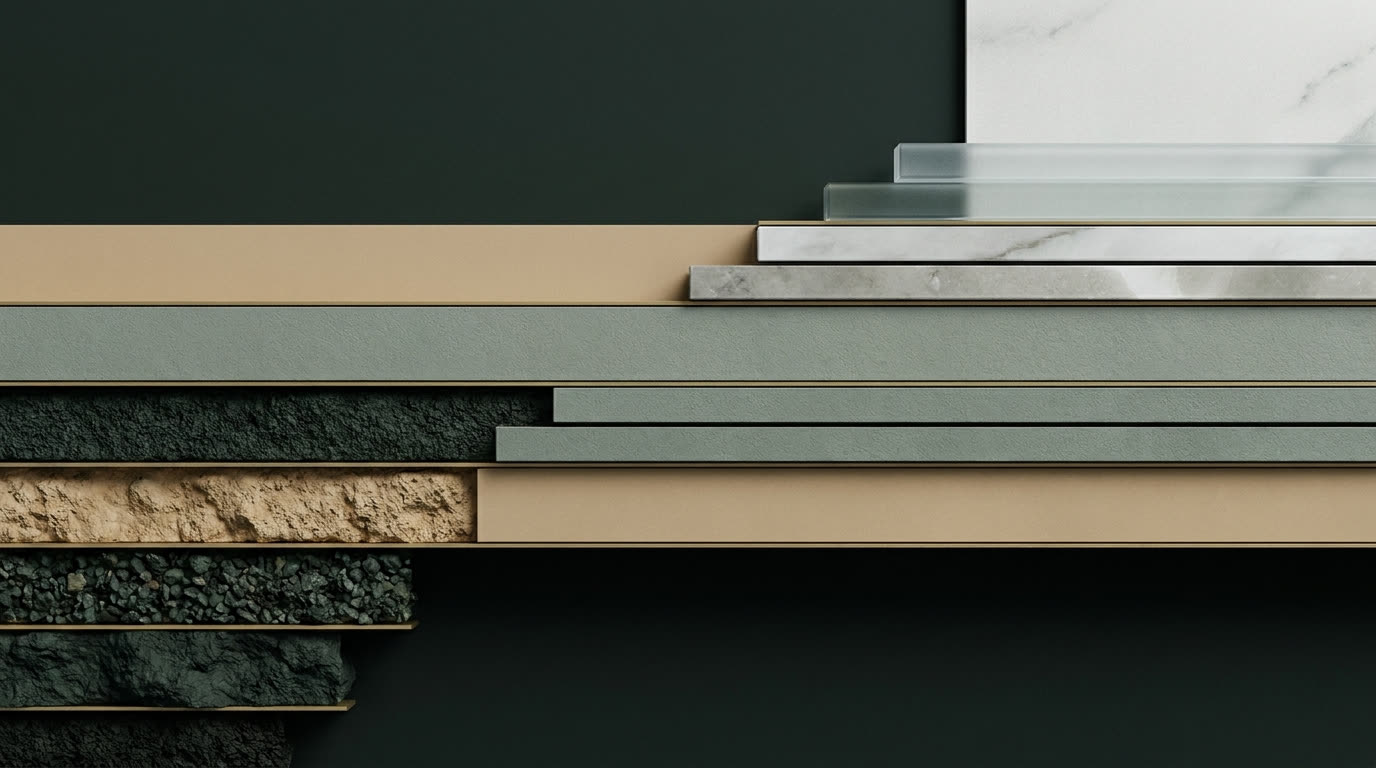
The result must change a decision
An LCA study that only produces a number has limited value. We scope each assessment around the decisions the team actually faces, so the output helps choose between materials, systems or design options rather than just reporting an impact.
Life cycle assessment, answered
What is life cycle assessment for buildings?+
LCA is a method of evaluating the environmental impact of a building or product across its life cycle, including raw material extraction, manufacture, construction, use, maintenance and end of life. It measures impacts such as embodied carbon and is used to compare design and material options.
Why is embodied carbon important?+
Embodied carbon is the emissions tied to a building's materials across their whole life: production, construction, maintenance and end of life. The portion emitted before occupation is called upfront carbon. As operational energy improves, embodied carbon becomes a larger share of a building's total impact, especially in the Gulf where construction is material-intensive.
When is an LCA worth commissioning?+
When a project faces material or design decisions with meaningful environmental difference, or when certification or client requirements demand it. A scoped, decision-focused LCA is most valuable early, before key choices are locked.